Turbine Roof Vent Problems
What typicly goes wrong and how we designed around it.
Turbine roof vents are a common form of passive roof ventilation. They’re simple, require no electricity,
and are often chosen for their low upfront cost. At the same time, many building owners and contractors
eventually face recurring turbine roof vent problems that affect performance, comfort,
and long-term reliability.
Below we break down the most common issues — and explain how we approach these challenges when designing
Roofivent ventilation systems.
1. Turbine Roof Vent Not Spinning or Seizing Over Time
The problem
One of the most frequent turbine roof vent problems is a unit that:
- spins only intermittently
- slows down significantly
- stops rotating altogether
In most cases, wind is not the issue — internal resistance is.
Why this happens
From our experience, this is usually caused by:
- low-grade bearings
- bearings exposed to moisture and dust
- internal corrosion or contamination
Once friction increases, even moderate wind is no longer enough to keep the turbine operating effectively.
How we approach this at Roofivent
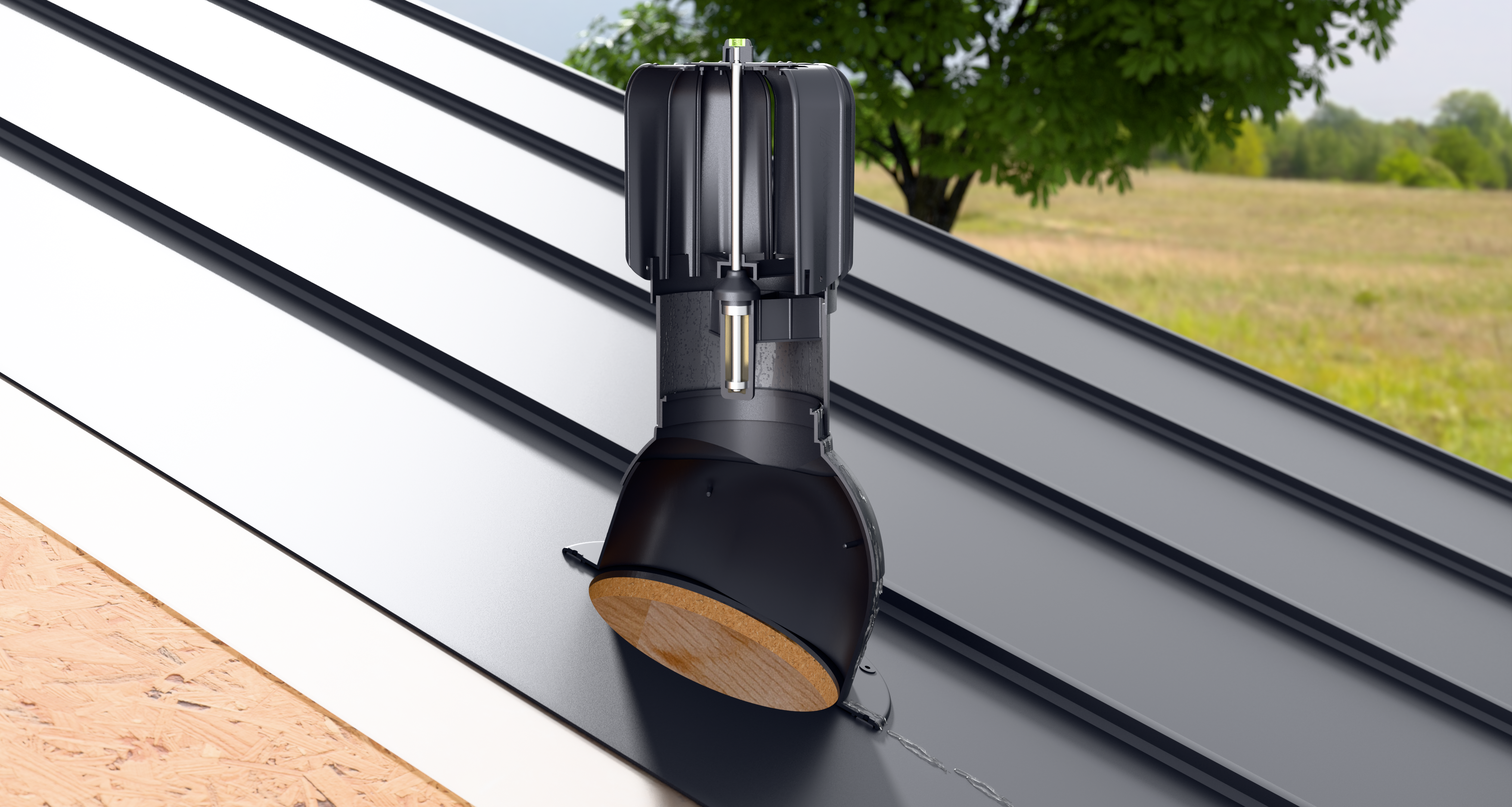
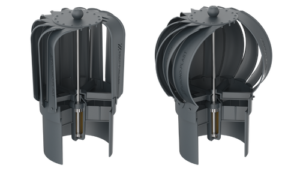
We design our systems around sealed, high-quality bearings intended for
long-term outdoor use. The goal is simple: minimize friction and eliminate seizure, even
after years of exposure to weather, dust, and temperature changes.
This is one of the areas where many standard turbine vents fail first — and why bearing design is critical.
2. Noise and Vibration in Windy Conditions
The problem
Noise complaints are common, especially in:
- residential buildings
- offices
- lightweight roof structures
Typical issues include rattling, humming, or vibration transmitted into the building.
Root causes
In practice, this usually comes down to:
- imprecise turbine balance
- inconsistent bearing tolerances
- thin or flexible materials amplifying vibration
Our design focus
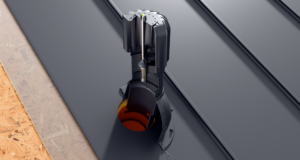
When we design our systems, we pay close attention to:
- turbine balance
- structural rigidity
- stable mounting geometry
The result is smooth rotation without resonance, even in stronger wind conditions —
significantly reducing noise and vibration.
3. Condensation Build-Up Inside the Vent
The problem
Condensation is one of the most underestimated turbine roof vent problems. Warm, moisture-laden air rises
through the vent, cools, and forms water droplets inside the system.
Why this becomes an issue
Many traditional turbine vents:
- do not actively manage condensate
- allow moisture to collect near bearings or inside the duct
- eventually drip water back into the roof structure
This can lead to insulation damage, corrosion, and mold risk.
How we address this
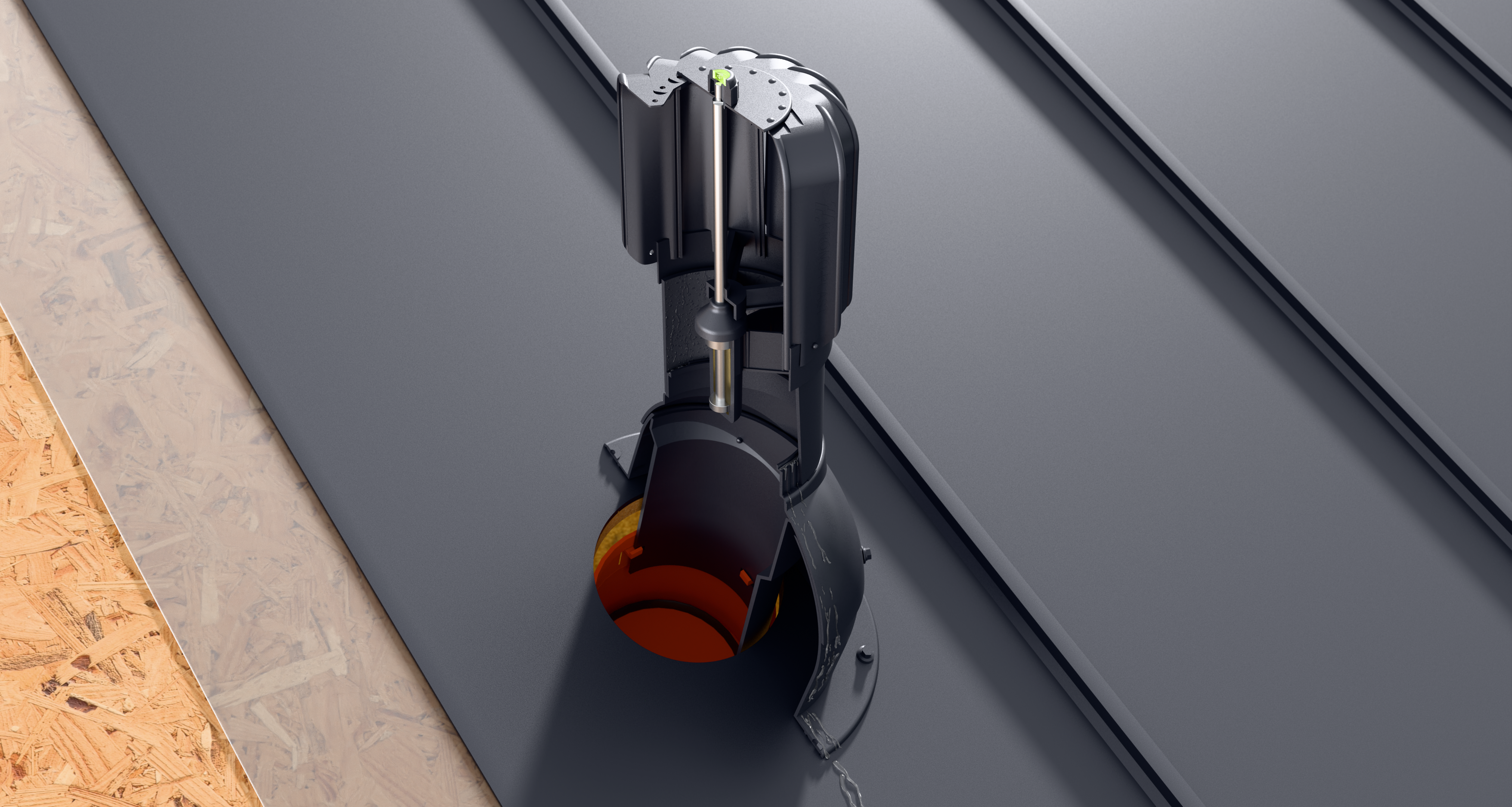
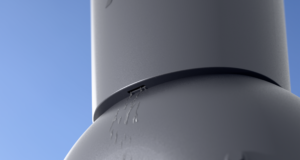
We design our systems with controlled condensate drainage, so moisture is
safely removed instead of accumulating inside the vent.
This is especially important in:
- industrial buildings
- high-humidity environments
- climates with large temperature swings
4. Water Ingress During Heavy Rain
The problem
Wind-driven rain can force water into poorly designed turbine vents, leading to leaks and long-term roof damage.
Why it happens
This typically occurs when:
- airflow paths are not properly separated
- internal geometry allows rain to follow the airflow inward
- sealing relies solely on gravity rather than design
Our approach
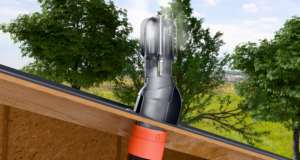
We focus on internal airflow control and weather-resistant geometry,
reducing the risk of water ingress even during severe weather conditions.
The goal is not just ventilation — but protecting the roof assembly itself.
5. Short Lifespan and High Maintenance Costs
The problem
Many turbine vents appear inexpensive at first, but over time require:
- frequent cleaning
- bearing replacement
- full unit replacement after only a few years
This often results in higher total cost of ownership.
How we think about longevity
At Roofivent, we design for:
- corrosion-resistant materials
- protected moving parts
- minimal maintenance over the system’s lifespan
The focus is long-term reliability — not just initial cost.
When Standard Turbine Roof Vents Reach Their Limits
If you’re experiencing repeated issues such as:
- turbines seizing
- condensation leaks
- excessive noise
- ongoing maintenance
it’s usually not an installation error — but a design limitation of conventional turbine roof vents.
That’s exactly why we approach roof ventilation as an engineered system, not just a spinning component.
Key Takeaways
Most turbine roof vent problems are predictable. They stem from known weaknesses in traditional designs:
- exposed bearings
- unmanaged moisture
- lightweight construction
- cost-driven compromises
At Roofivent, we design around these failure points from the beginning — focusing on
durability, moisture control, and consistent performance in real-world conditions.